


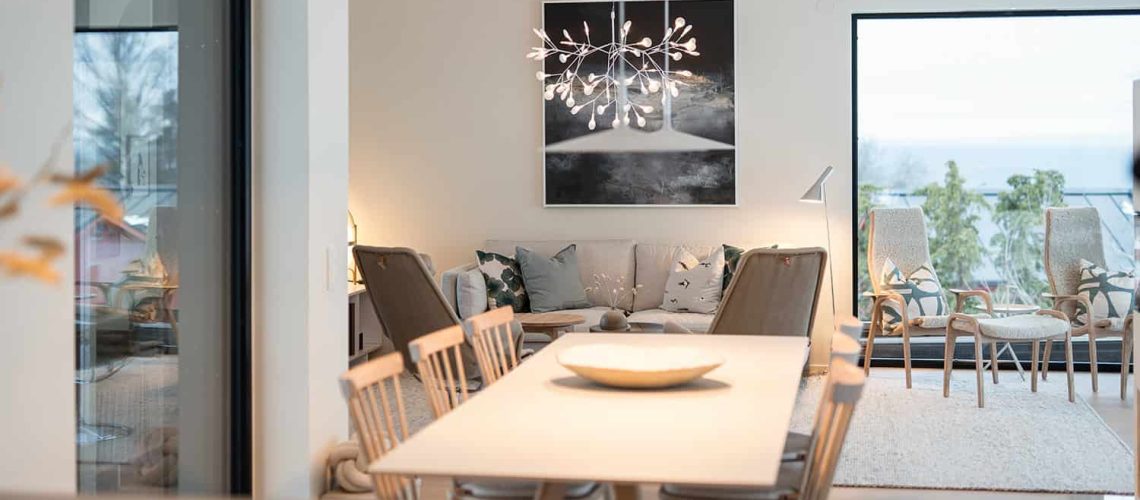

As an architect at Willa Nordic, Angelica Winberg designs homes for families of all sizes.
Through her designs, customers get a first glimpse of the space that one day will be filled with echoes of laughter, clattering early morning footsteps, and warm conversations between friends and family late into the evening. All the little details that make up a family life are captured in Winberg’s designs; using Archicad and ArchiFrame, she makes these dream-homes a reality.
From learning to mastery
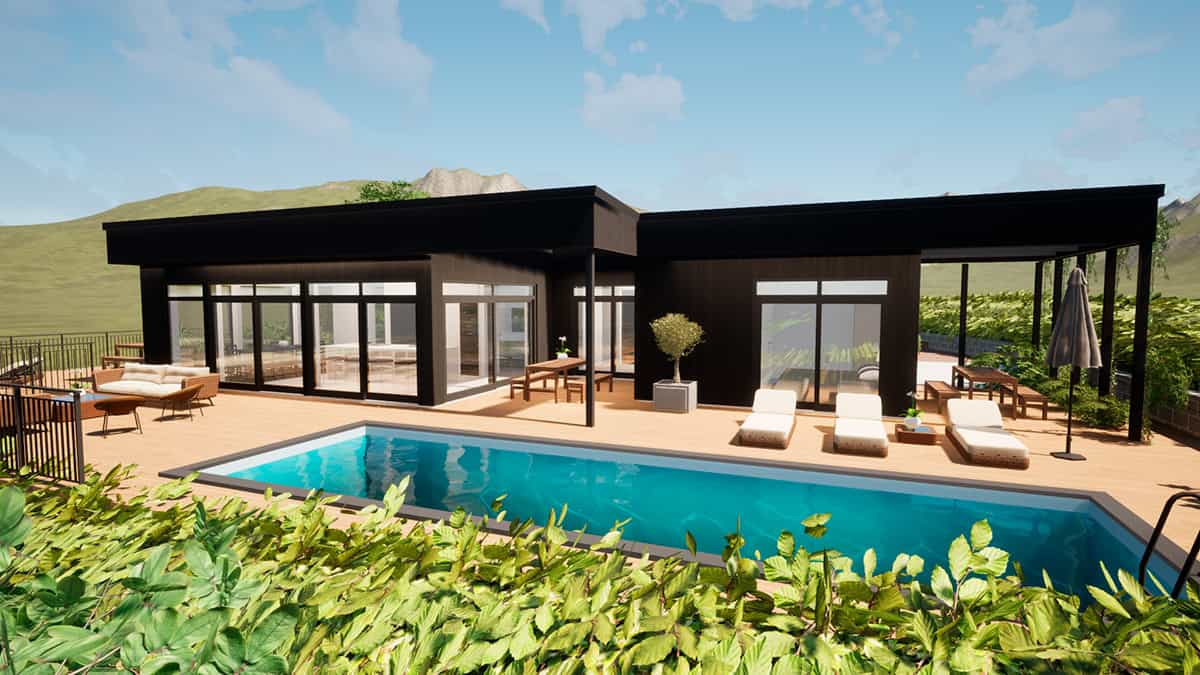
Switching your primary BIM software and going from a familiar tool to a completely new one is a big undertaking. For Willa Nordic, this process has been a gradual journey with a strong focus on implementation, with a lot of learning on all levels.
To ensure the new solutions were being maximised in-house, Willa Nordic team members Daniel Gustavsson and Richard Elg, dedicated themselves to understanding how to adapt and develop the software for Willa Nordic’s needs. Their feedback has been essential in making Archicad and ArchiFrame into a tool that really works for the company. Combined with thorough training, this process of adoption instilled confidence that the switch was the right decision.
Angelica paints a picture: “You grow with the program all the time”: emphasising that training has been a continuous process for the entire team.
Today, all architects at Willa Nordic have switched to Archicad and ArchiFrame, and sharing the same programs has strengthened both collaboration and workplace culture.
“When we all draw in the same program we can help each other more effectively, and it has made the entire collaboration process more positive,” explains Angelica.
The advantages of Archicad and ArchiFrame
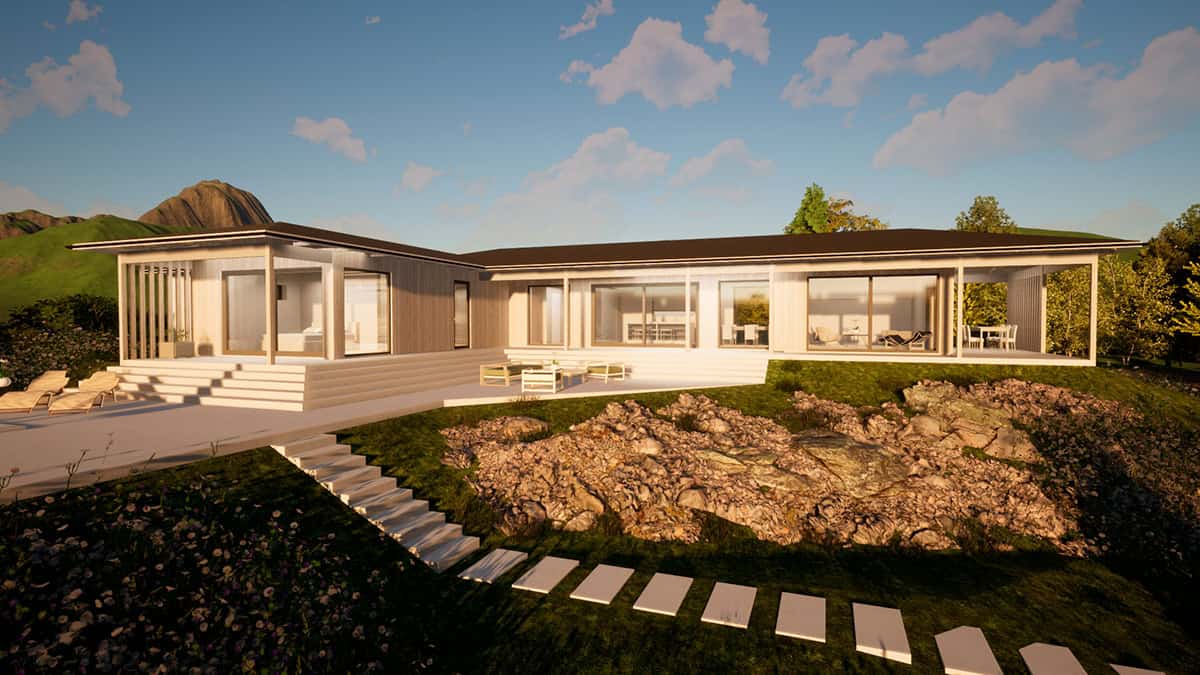
For Angelica and the rest of the architectural team, Archicad and ArchiFrame have been game-changers, especially when it comes to visualisation and communication. Archicad’s advanced visualisation capabilities make it much easier to show clients how their future home will look.
Angelica explains how many customers don’t necessarily understand traditional drawings, but using these programs, she can now easily guide people through the model. This allows Willa Nordic to share more and create a better customer experience.
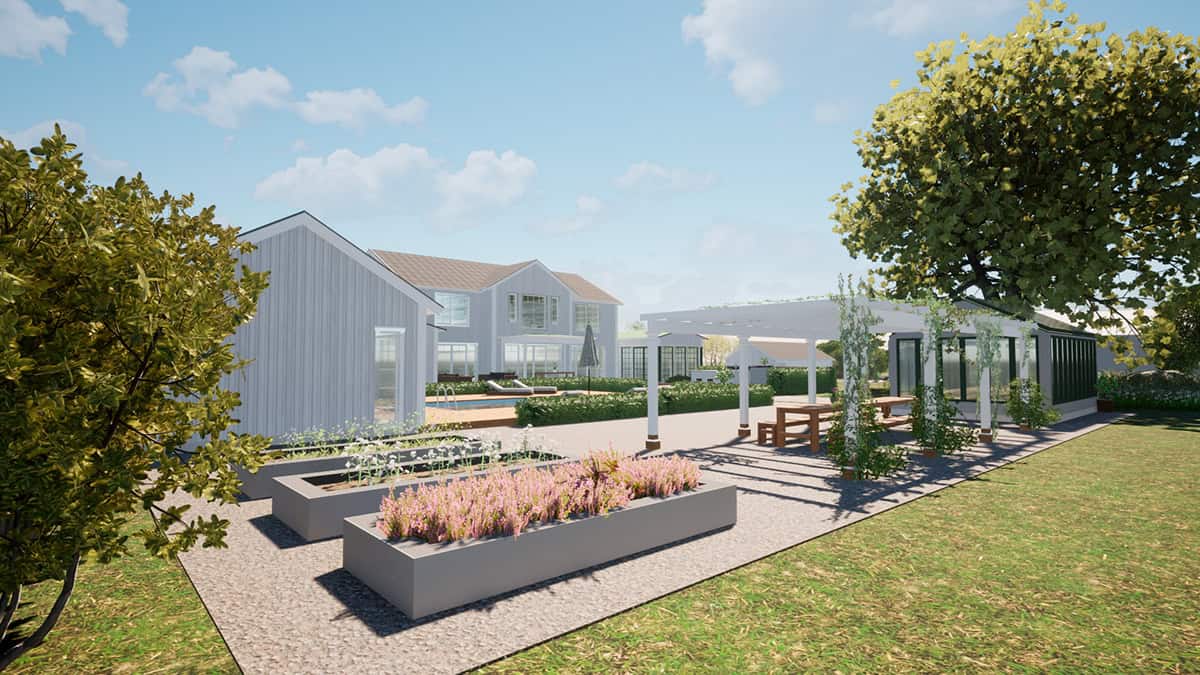
The interactivity and the ability to rotate and change perspectives has been especially valuable, allowing Willa Nordic to accurately showcase volumes and spatial feel. “Now I can show people the actual sightlines from the kitchen where they will cook their meals, looking towards the living room where the family gathers. One can almost see people’s dreams become reality in real-time!” she says.
Another big advantage is that the design process has become faster, whilst still adhering to high quality standards. “At first, you did not necessarily notice a huge difference, but now everything goes much faster. We get sketches and material proposals out significantly earlier than before, and we can create a real sense of the house at a much earlier stage,” she adds.
This has resulted in significant time savings, crucial in a market where clients’ expectations are constantly evolving.
From sketches to a home
With Archicad and ArchiFrame, Angelica can also better adapt her drawings to customer wishes. “Before, we were dependent on static drawings, but now we can implement the customer’s inspiration directly into the design,” she explains. “When clients bring their images and moodboards, I can import these directly into the program, which has led to a more detailed and personal design process.”
She adds the process of creating a home has become more dynamic and flexible. “It’s a big difference from when we started with black-and-white drawings, whereas now we can deliver quality clips and visualisations,” she says. This development has been vital in meeting the high demands and expectations that customers have today.
The program continually offers new possibilities and challenges, motivating her and the rest of the team to keep advancing their skills. “There are always new things to learn. I want to be able to implement more of what our customers bring to the table: evolution is a continuous effort,” she adds.
Technology that transforms design
Despite the everyday challenges, it is clear that Archicad and ArchiFrame have had a significantly positive impact on the design process. The tools have not only made workflows more efficient, but also opened the door to more creative solutions and better communication, both with clients and colleagues. Angelica’s experiences with Archicad and ArchiFrame demonstrate how technology can positively impact the design process in the construction industry.
It’s not just about using a new tool: it’s about changing the way you work: from sketches to final visualisations, from 2D drawings to interactive 3D models. With Archicad and ArchiFrame, Willa Nordic can not only meet clients’ demands, but exceed them, creating homes that feel real and personal right from the off.
“Today, we are much better at showing what customers really want; it has made the process both faster and more accurate,” she concludes. “It’s not just about the house, it’s about selling a home. And now, we can do that in a much more visual and detailed way than before.”